The Šargan Eight
Šargan’s Eight is the most attractive tourist-museum railways in Europe among the narrow-gage railroads. It is the masterpiece of the world’s industrial heritage.
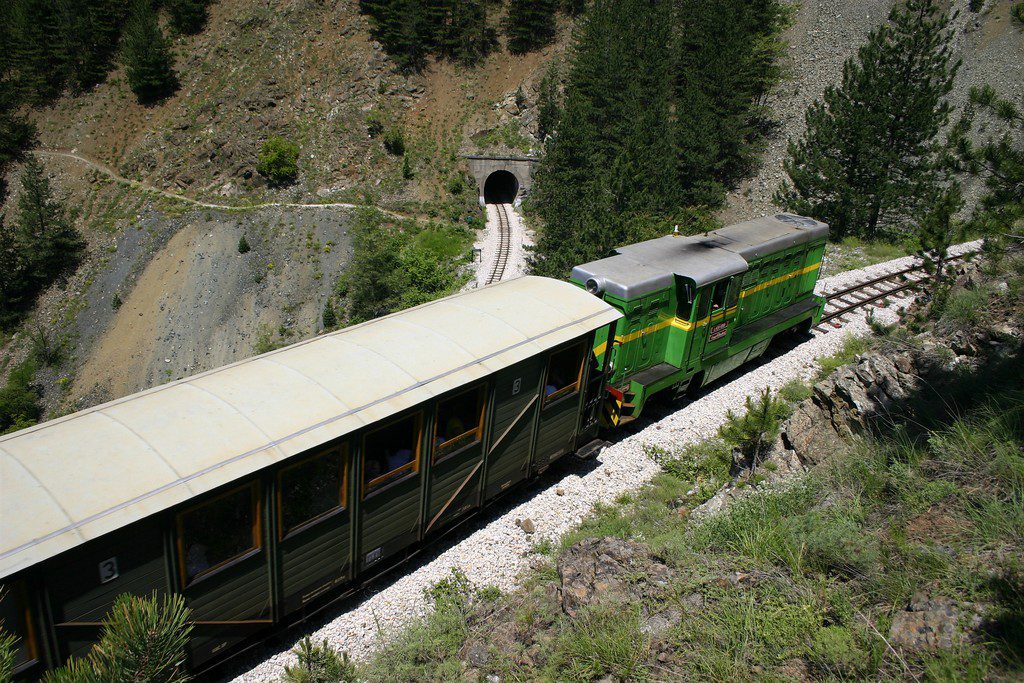
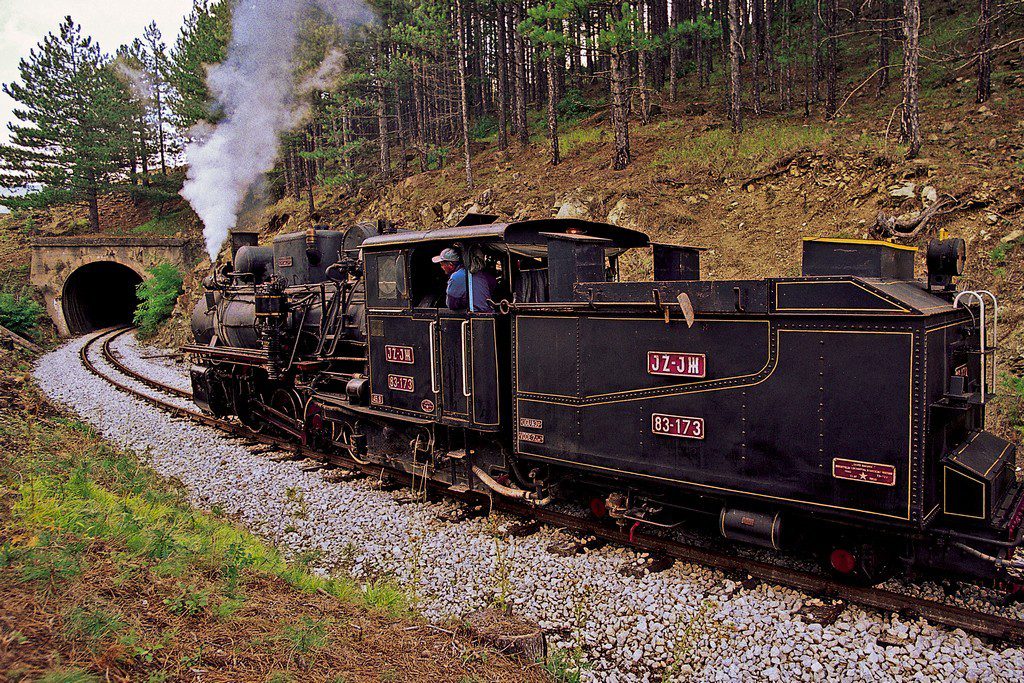
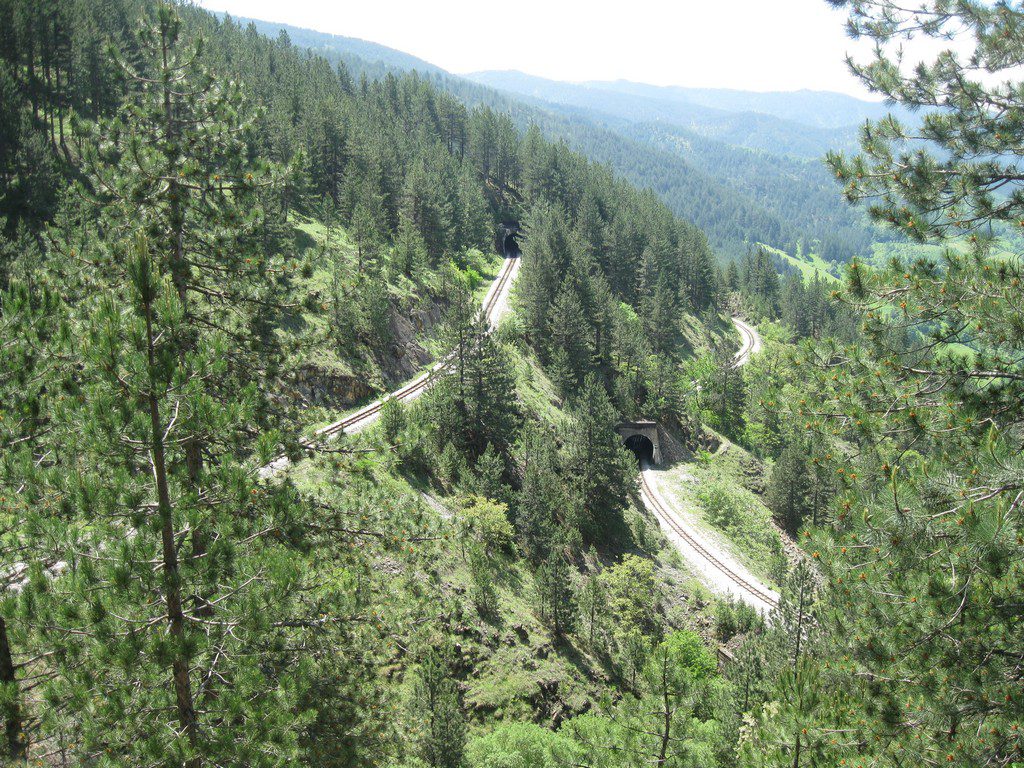
Building the railroad from 1921 to 1925, the designers of the railroad have bridged the difference in level of Mokra Gora and Šargan (about 300 m of altitude, 3.5 kilometers long) by the famous “Eight” – the loop of 13.5 km above bottom of Jatare, with 20 tunnels, several bridges and viaducts ”Ćira” railway has steamed up to this railways in distant 1925 year, and the last time it was about 20 years ago, on the 28th of February 1974, when the railroad was no longer in use.
The idea of building the railway dates around the First World War. Austro-Hungarian Empire had the opinion that occupied Serbia was finally one of their parts. In the spring of 1916 the first works to connect Vardište with Užice started. Nine kilometers of railways was built up to the bottom of Šargan Mountain.
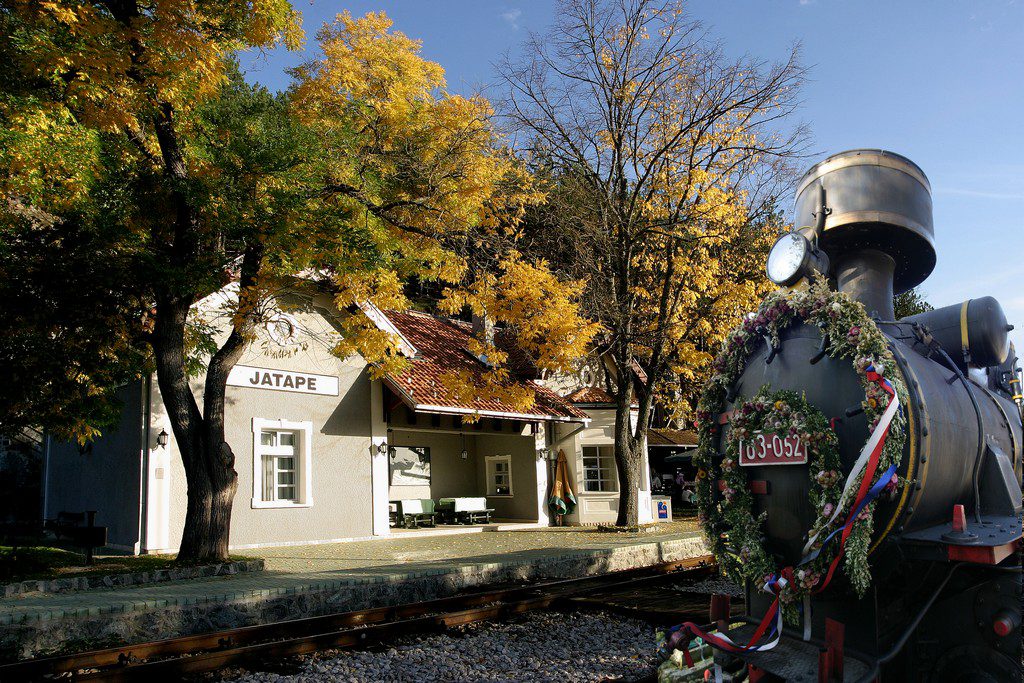
The place to which the rail tracks were put is still carrying the name “the Ninth Kilometer”. Then the railway station was built in Mokra Gora. A terrible accident happened during the works about the tunnel under the Budim Hill. All the workers of one shift were buried due to the stone slide. The Russian and Italian prisoners died. The exact number of how many people died then is still not known, but according to the natives witnessing, the shift consisted of about 200 workers. A modest monument was made on the hill Budim as a remembrance to this tragedy, with the year of 1916 as the only inscription. After this day the works on this railway stopped up to 1st of March 1921 when the Head Office from Sarajevo continued with it. One of the major engineers who made the project for the railways and carried it out was Hugo Keinzl, the former Inspector of Bosnia-Herzegovina railways. Besides the attractive technical solution on the slopes of Šargan Mountain, the Šargan’s Eight, which was used as an example of the solution for the railways on the short distance and great altitude difference, had some other peculiarities. Te railway station Jatare was used only as a place where two trains had a junction and not a single ticket was ever sold there. The bordering tunnel with Vardište under the Balvan Hill, number 53, had on the front of it the sculpture of a Serbian soldier who is stepping on the crown of black-yellow monarchy, and on the other side of the tunnel, on the Serbian side, there was a name of the king Aleksander I by which there were the symbols of the workers and peasants – the hammer and the sickle.
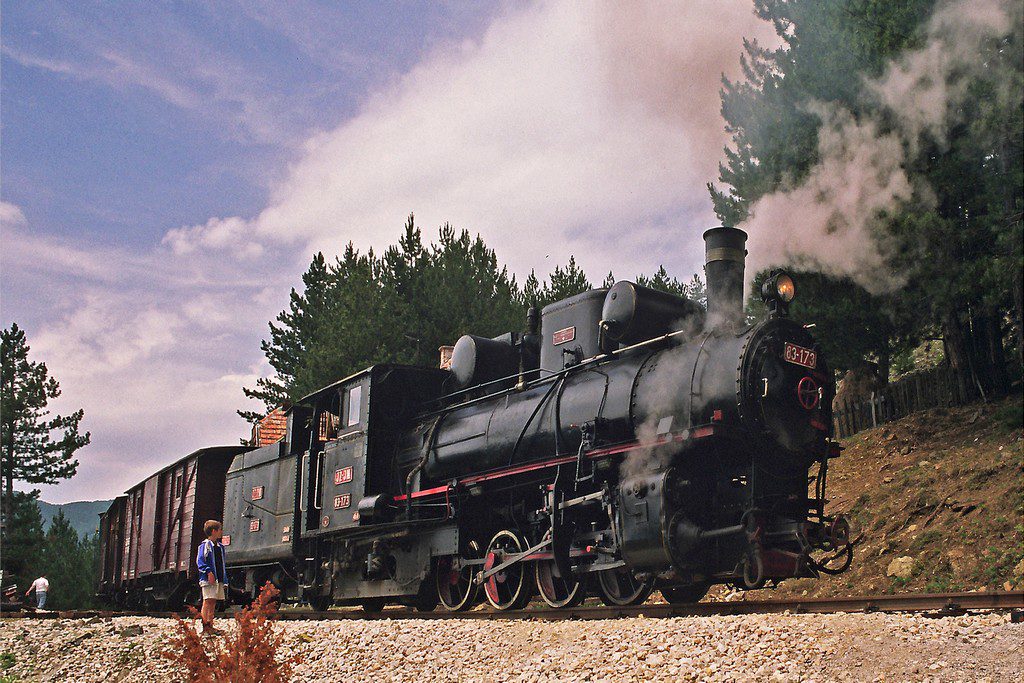
For the half of the century this railroad was the door of Mokra Gora to the world, and the steam locomotive was bringing ‘world to the village. This railroad has great economical-political influence for Kingdom of Serbs, Croats and Slovenians. During the First and Second World Wars, troops, ammunition, arms and food were brought. Because its place, it was often the target of attacks and diversions.
Since the day it was built, the way of life in the village has changed. People of Mokra Gora were employed in the railways, and to go to schools. Some of the traditional crafts were abandoned. Besides railways transport, there were no longer need for animal-drawn vehicles and hired coachmen.
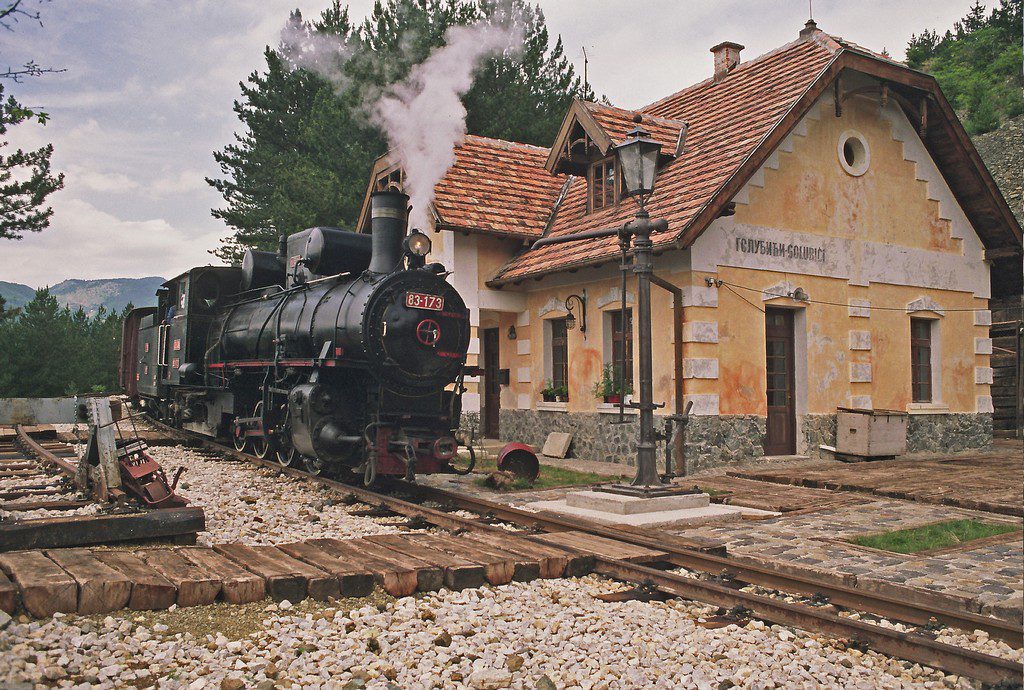
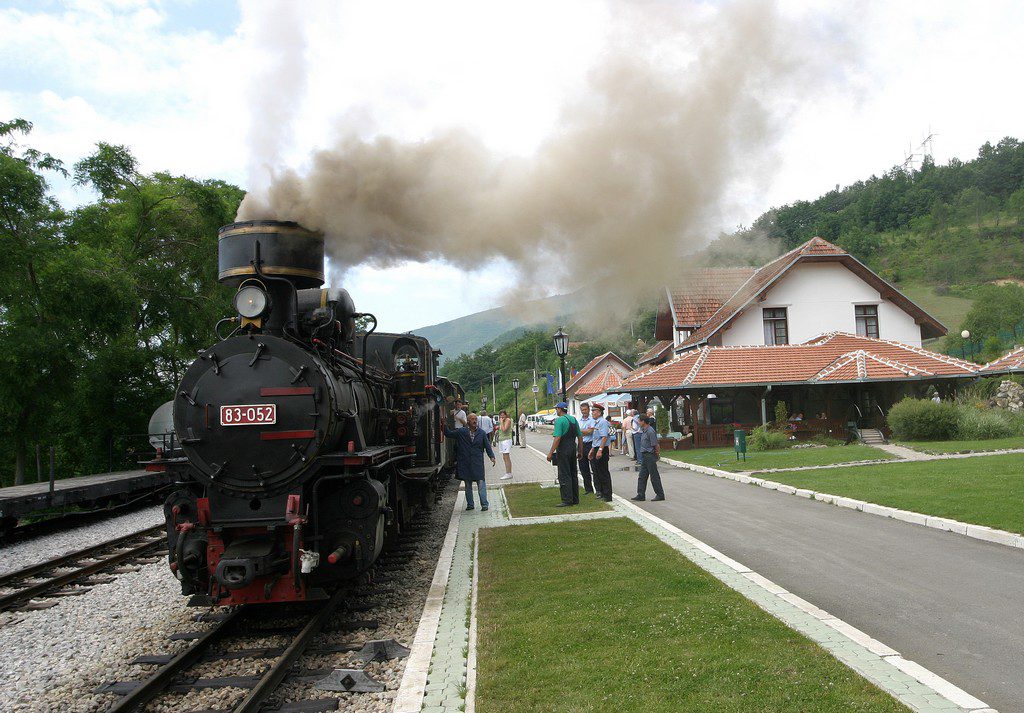
Railway-Museum Complex has its ethno-tourist value. Railways of Serbia from Belgrade has started the restoration of Šargan’s Eight in 1999 for the tourist purposes and today the whole railroad is revitalized, with authentic station buildings and original old coaches. The train “Nostalgia”, consisting of two steam engines and four coaches, one of which is for panorama viewing, today is used for tourist sightseeing, and Jatare and Mokra Gora railway stations have been renovated into inns where tourists can take a break and refresh during their trip.
Besides Šargan’s Eight, which rail track is 750 mm wide, also the old Forest Rail has been restored, which communicated between the site of Jatare along the valley of Kamešina River for about 2 kilometers. This part of the rail track is of 600 mm width. On the starting station of the Forest railway, near the spring of white water, there is a club “Homeland Association of Mokra Gora and its Friends” with summer stage, two restaurant-coaches and the souvenir shop. The picnic grounds “Jatarice” has been made a place for resting with barbecue, drinking fountain and covered tables at tourist disposal.
Both renovated rail tracks and accompanying objects of railway stations and exhibition coaches are museum complex in the open air, which is not only depicting the history of railway transport but is also showing one important part of the history of Mokra Gora area. The great significance of this museum complex is that the whole railroad with its stations and coaches is being authentically made, with preserved technical way of steam engine maneuvering.
Riding in the Šargan’s Eight has been an attraction even at the times when it was used as a general means of transport. “The steam machine wound its way up through gauges and cliffs between Šargan and Mokra Gora, the route which made unusual path line resembling the number 8, so from several places the travelers could see the three tracks in different levels. Many of them panicked when they saw another steam machine coming towards them, but there was no danger as that other train was in different part of the railways.” Traveling the route of the famous “Eight”, 13.5 kilometers long, it is impossible for the traveler to guess by which direction the train has already passed and where it should go next.
Far from the busy everyday of modern life, enriched with the beauties of Mokra Gora, this unique railway can, today with the nostalgic whistle of the steam engine bring back the romantic spirit of good old days.
Wildness, slalom through curves, tunnels…. The adventure that recalls the almost forgotten warmth of shaking in the train.