
Zlakusa
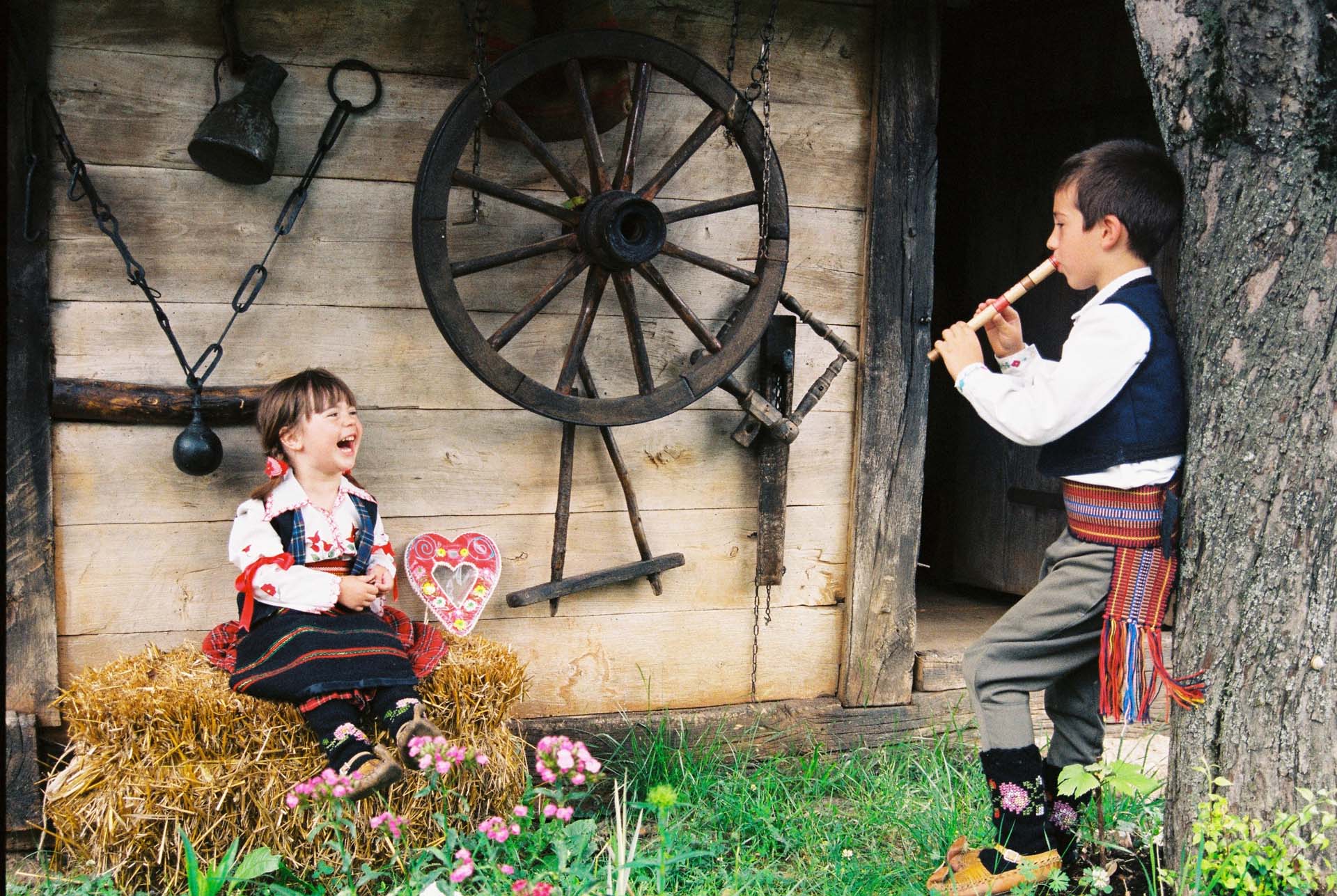
Zlakusa is a village that has soul and coloring, tradition and future, history and youth. It attracts with clean air, preserved nature, forests with good yields of delicious mushrooms, meadows full of wild strawberries and medicinal herbs, with about fifteen trout ponds along the Petnica river.
Here you can enjoy walking along the marked circular path around Zlakusa, which starts from the “Terzića avlija” Ethno Park, and connects ponds, old water mills and a couple of beautiful waterfalls on Petnica and Potpeć Cave, through beautiful landscapes, clearings, forests and meadows, descends from the other side of the village to the starting point.
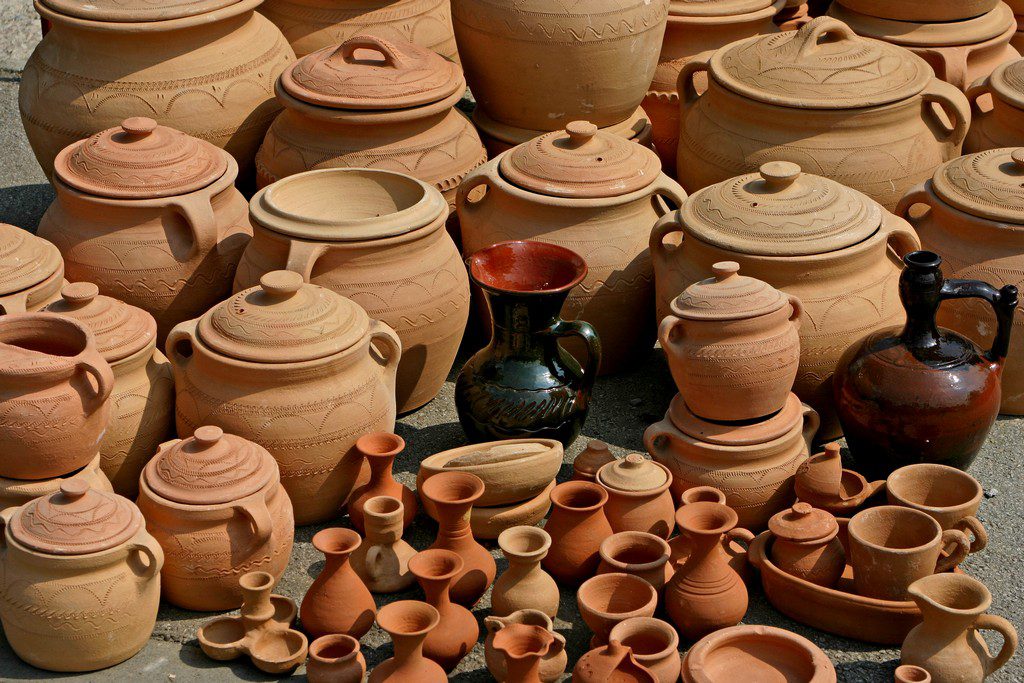
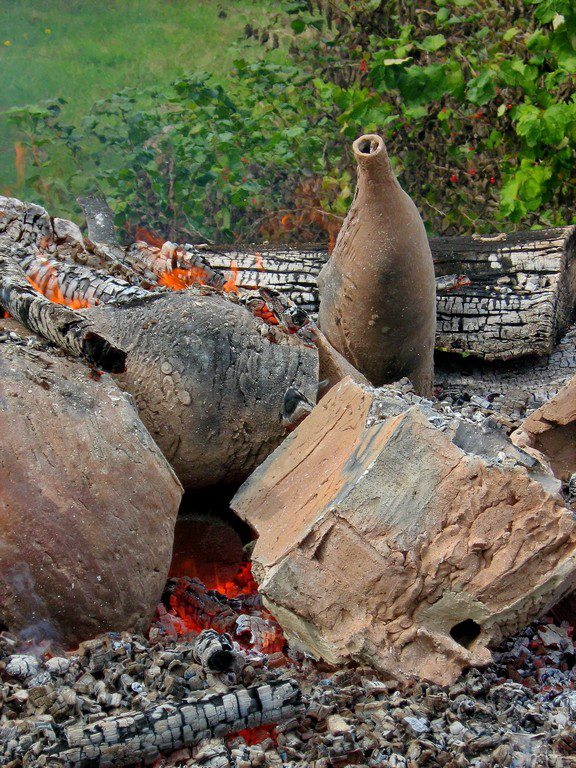
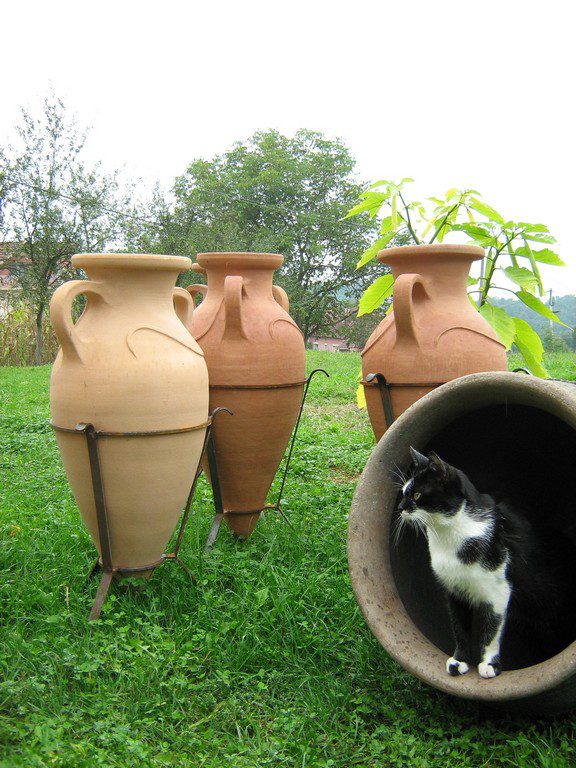
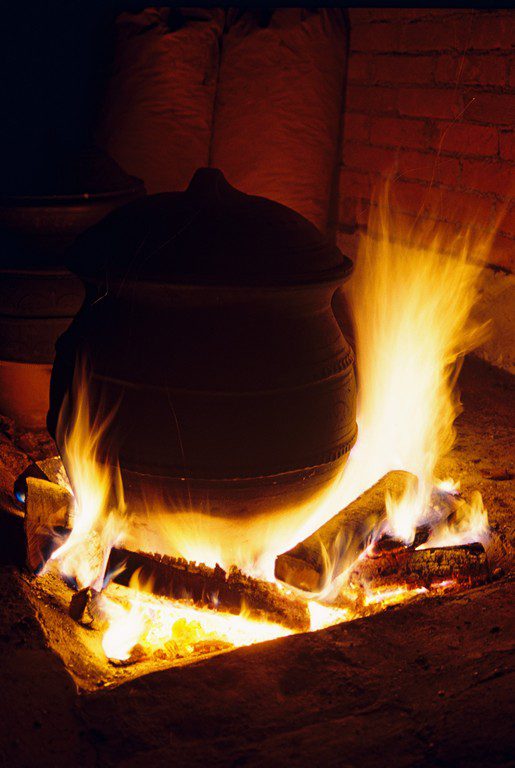
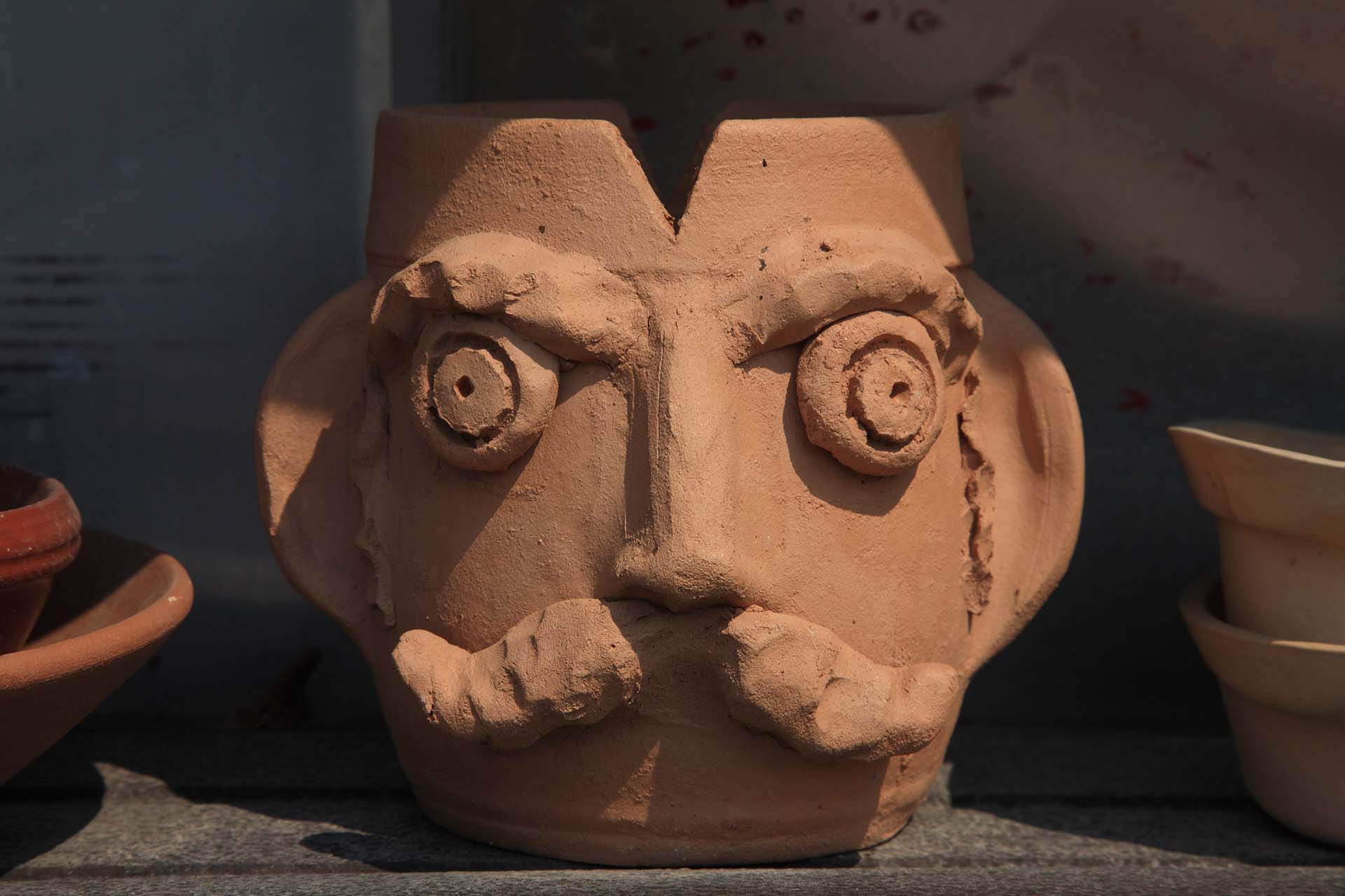
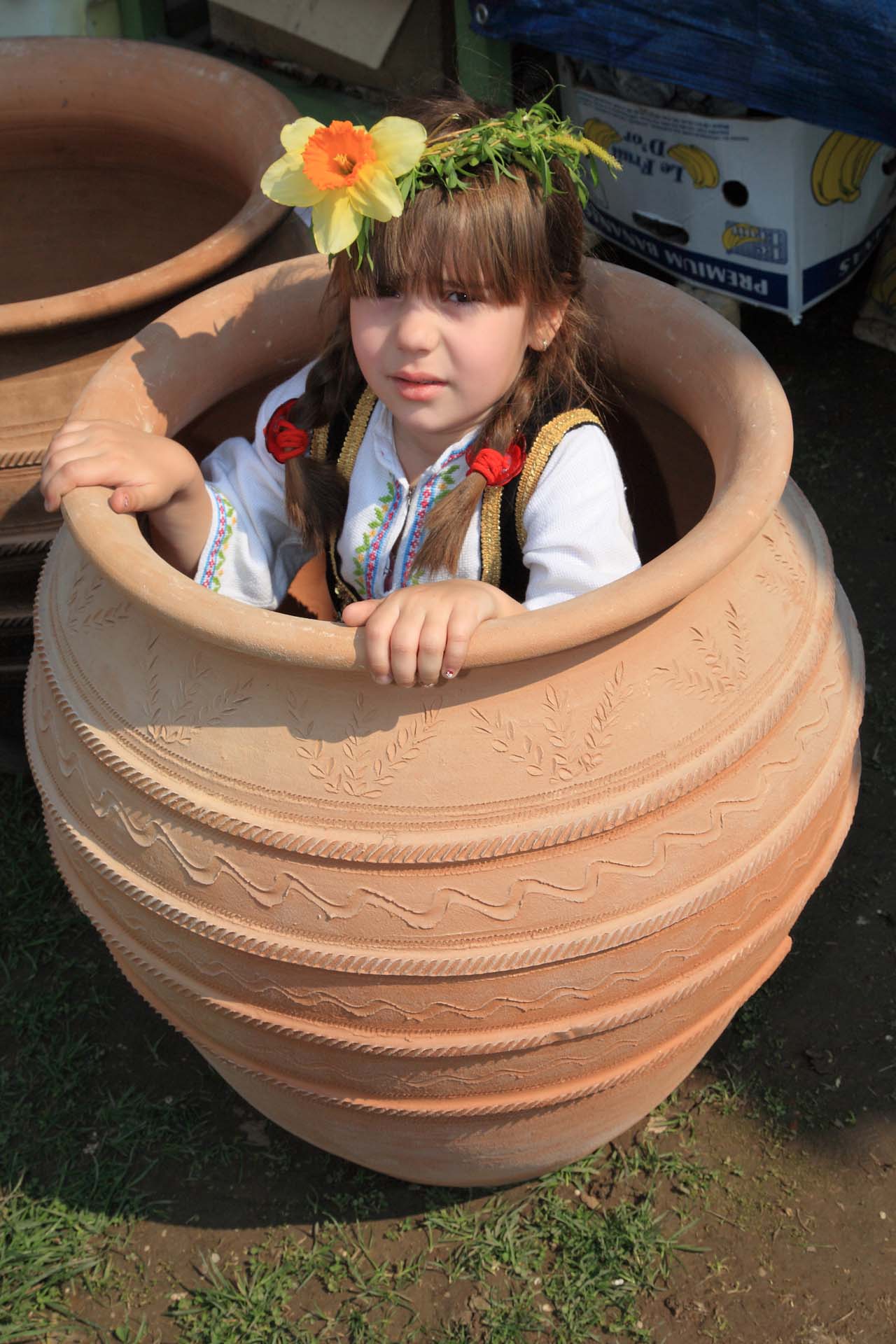
In Zlakusa, at any time of the year, you can buy the so-called Serbian Zepter, i.e. earthenware from Zlakusa, which is famous for its quality and is an indispensable part of the offer at village fairs, assemblies, fairs and ethno-shops.
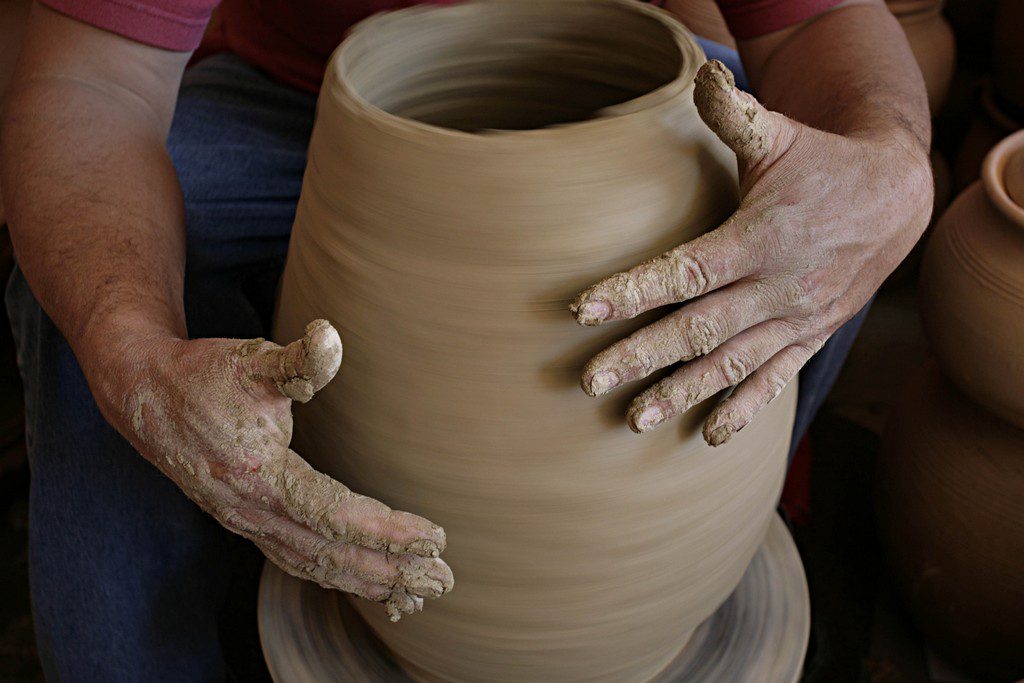
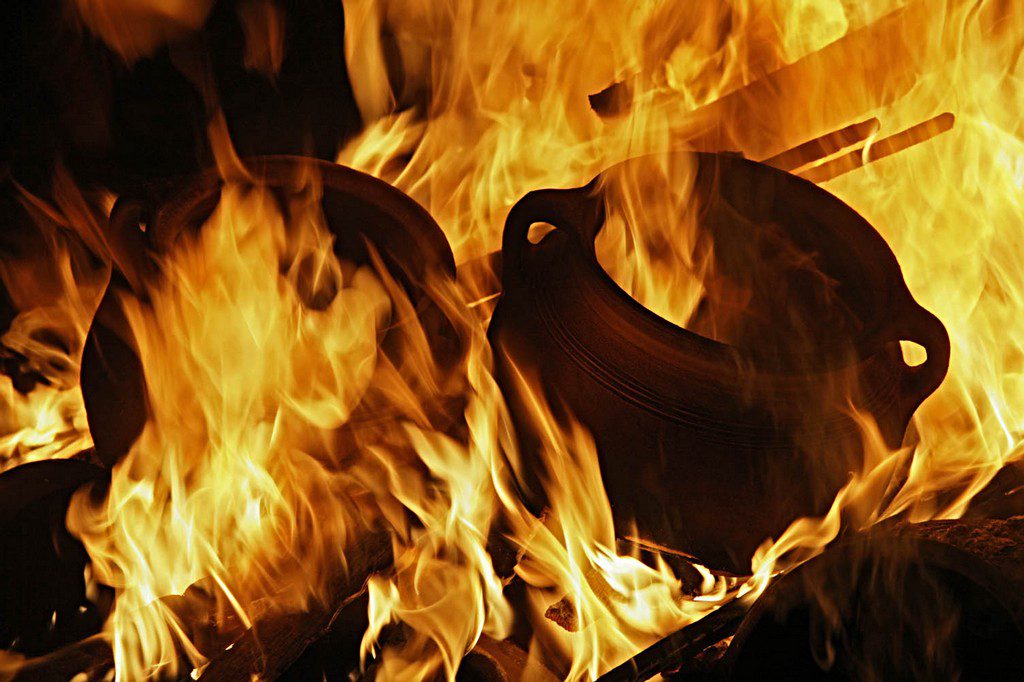
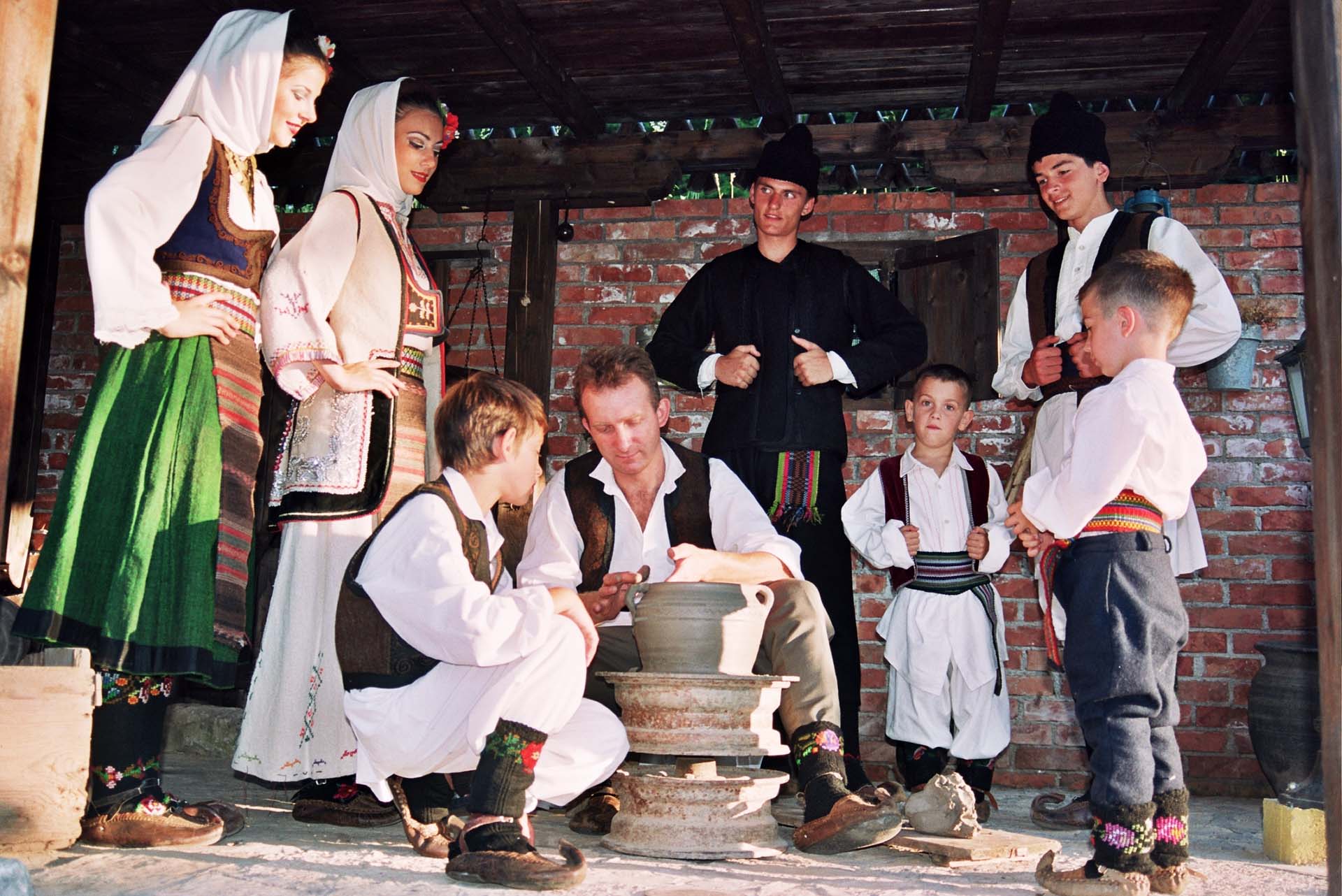
Zlakusa is known as a village of potters, because a large number of households are engaged in this old craft, not allowing it to go into oblivion. And not only to buy, but also to see on the spot how the dishes are made, i.e. “built” made of clay mixed with binding material of ground calcite, i.e. of “type”. It’s nice to come to Zlakus in the spring when nature wakes up, the forests are leafy, field flowers bloom.
In summer, to escape from the city heat and crowds, when raspberries and blackberries ripen on the plantations, or plums in the orchards, when the smell of cut grass spreads everywhere, when the “Terzića avlija” Ethno Park hosts the Assembly of Original Creativity known as “Zlakusa in song and dance”, when artists from all over the world gather in August for the International Colony of Art Ceramics, organized by the Association Ceramics – Zlakusa, under the management of academic painter Sofija Bunardžić
U autumn, when when the forests turn golden, when the orchards are full of red apples, when the cultural and artistic manifestation “Autumn in Zlakusa”, pottery and art colony, competition in preparing traditional folk dishes in Zlakusa pots, and days of folklore are held.
In winter, when everything is covered with big snow like in a fairy tale, when the roads are full of children with sleds and other props for winter entertainment in the snow
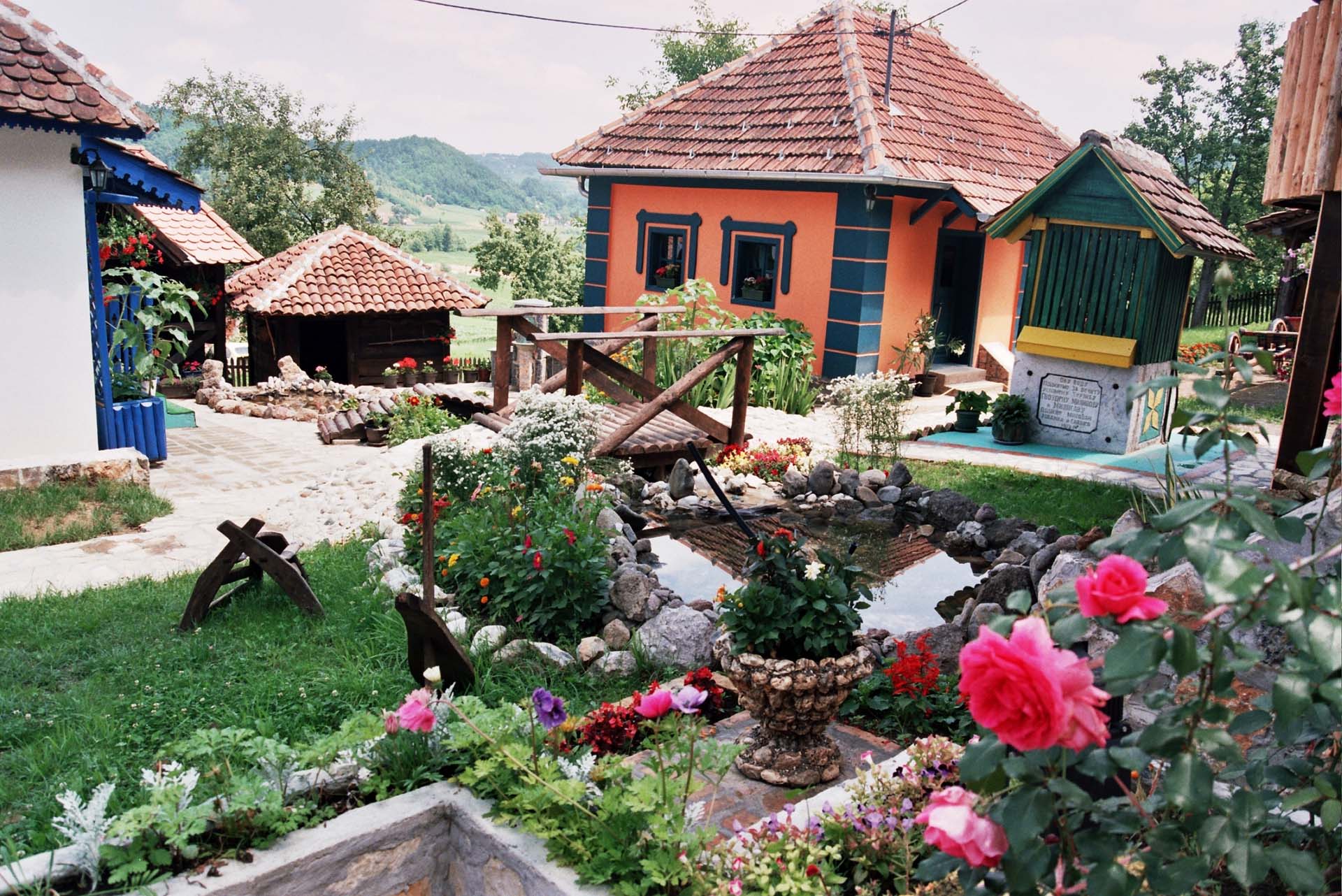
There, above Zlakusa, on a nearby hill, a giant portal can be seen from a great distance. It is the entrance to the famous Potpeće Cave, the most significant speleological site in western Serbia. As scientists have noted, it is a monumental work of nature, featuring the highest cave entrance in the Balkans, reaching a height of 50 meters. The cave has been reconstructed and opened to visitors, with illuminated pathways extending for more than 500 meters. Rich in cave formations and natural decorations, it is an attractive destination for all who visit this region. The crystal-clear Petnica River flows out of the cave. The enterprising residents of the village of Potpeće have established a series of fishponds along this short river, where high-quality trout are raised. By constructing a dam and creating a number of pools, they have enabled fish farming throughout the year, bringing prosperity to the area. In support of tourism development, local residents have also restored old watermills along the river and adapted their households to accommodate visitors. Those who come here are often eager to taste freshly caught trout, expertly prepared by the women of Potpeće.
Not far away, in the village of Potočanje, stands an unusual stone bridge over the Derventa River. Believed to be several centuries old, it is known both as the Roman Bridge and the Turkish Bridge. The village of Krvavci has long been renowned for its outstanding trumpet players—self-taught masters of the instrument who have achieved success for decades at the famous brass band competitions in Guča. Here in Zlakusa, certain families, such as the Ostojić, Babić, and Stanimirović families, have become well known far beyond the boundaries of their village. Their livelihoods combine agricultural production for the green market in Užice, participation in traditional trumpet music at celebrations and competitions, and, more recently, hosting visitors interested in rural tourism.
In this way, life in Zlakusa continues to flow steadily and naturally, much like the nearby Đetinja River.