Republic of Užice
The first liberated territory in occupied Europe
In the days when Hitler was establishing a “new order” in Europe, when he was penetrating towards Moscow, the first free territory in occupied Europe was created in Serbia – the Republic of Užice, which lasted from the liberation of Užice on September 24, 1941, and its end was marked by the heroic the battle of the Workers’ Battalion on November 29, 1941.
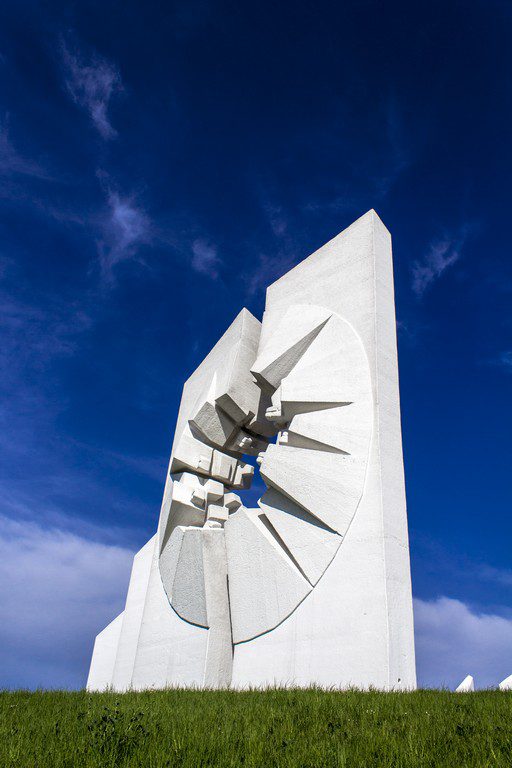
During its existence, its borders were constantly shifting due to constant fighting. In the period of greatest momentum, it approximately occupied an area of about 19,000 square kilometers, which represents about a third of the total area of Serbia proper. It was bordered in the south by the river Uvac, in the west by the Drina, in the east by the line Belgrade-Lajkovac-Aranđelovac-Knić-Kraljevo-Raška, while in the north the border was constantly changing. Around a million inhabitants of this vast free territory lived in freedom. This area was very important for the future connection of the free territory with Sandžak, Montenegro and eastern Bosnia. In addition, an important German road on the line Serbia-Bosnia passed through here.
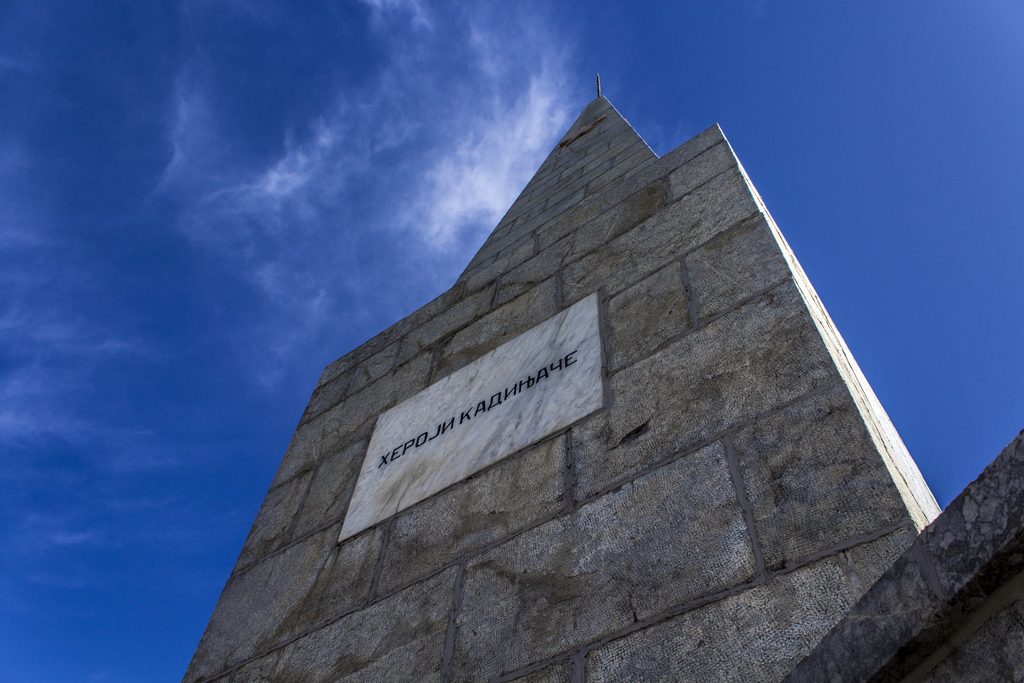
On the liberated territory of the Republic of Užice, an organized people’s government is being created and a very intense and diverse political and cultural life is developing. The building in which the National Bank was located before the war (now the building of the National Museum of Užice) became the seat of the highest military and political leadership – the Supreme Headquarters of the NOPOJ, the Politburo of the Central Committee of the KPJ and the Central Committee of the SKOJ.
In the town itself, in wartime conditions, the economy is being restored. In the free Užice, there was also a Weaving mill where linen, towels and some sanitary materials were produced. A tailor’s workshop for the production of military clothing, a shoemaker’s workshop, a leather shoemaker’s workshop, a partisan bakery, and a workshop for leather processing also began to operate. Three smaller hydro-power plants on Đetinja worked continuously, and the town and all commercial facilities were regularly supplied with electricity.
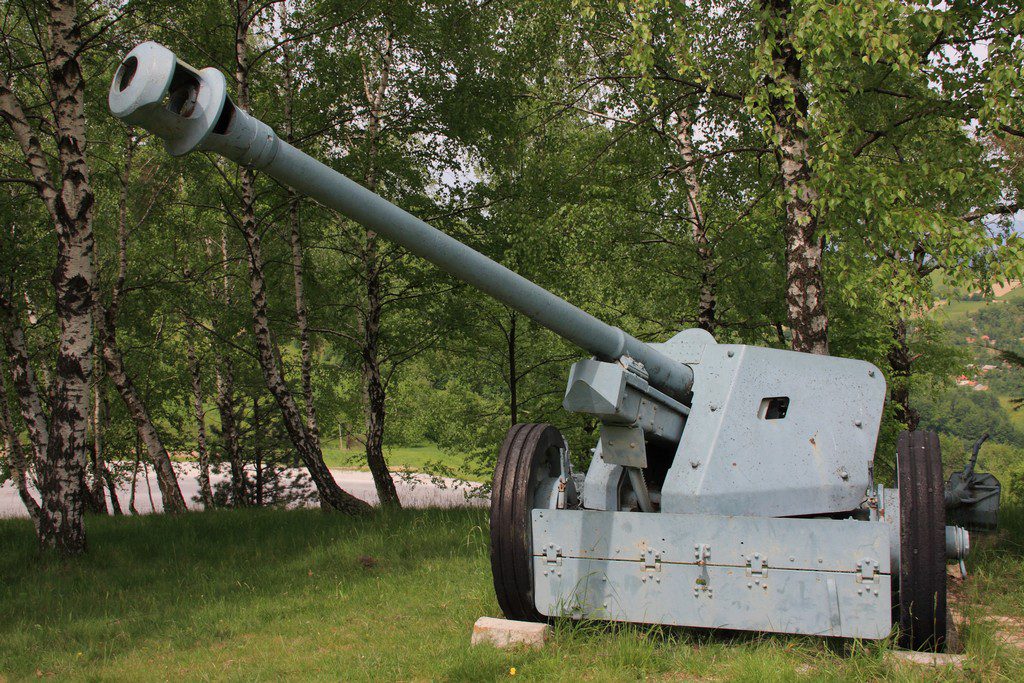
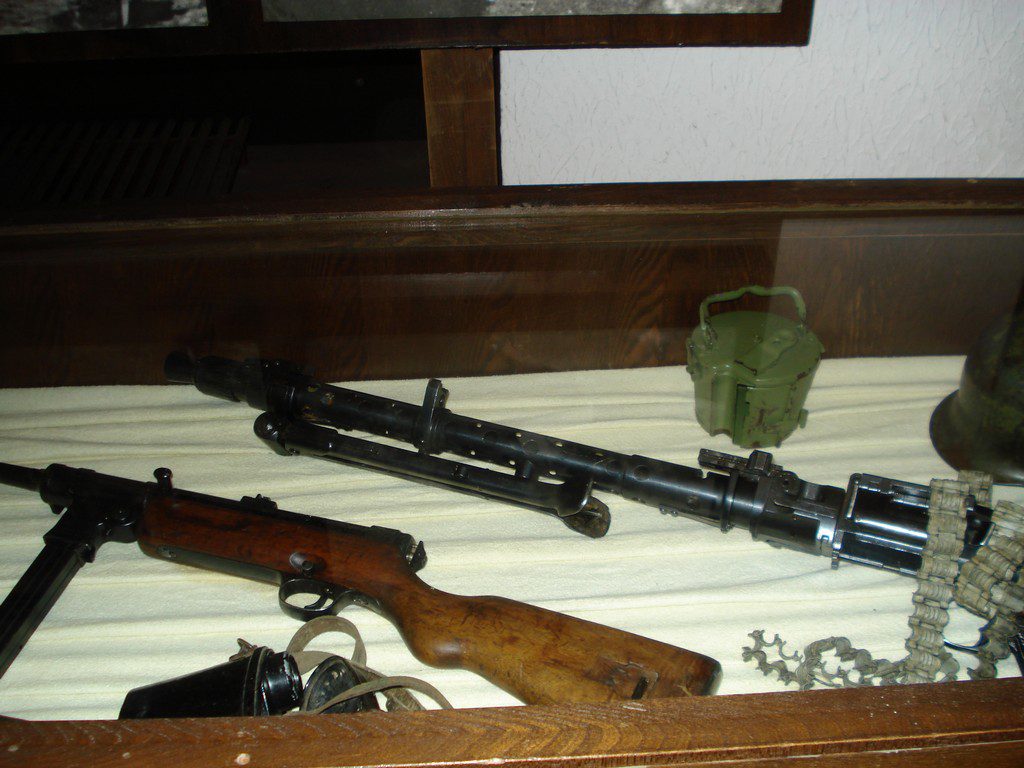
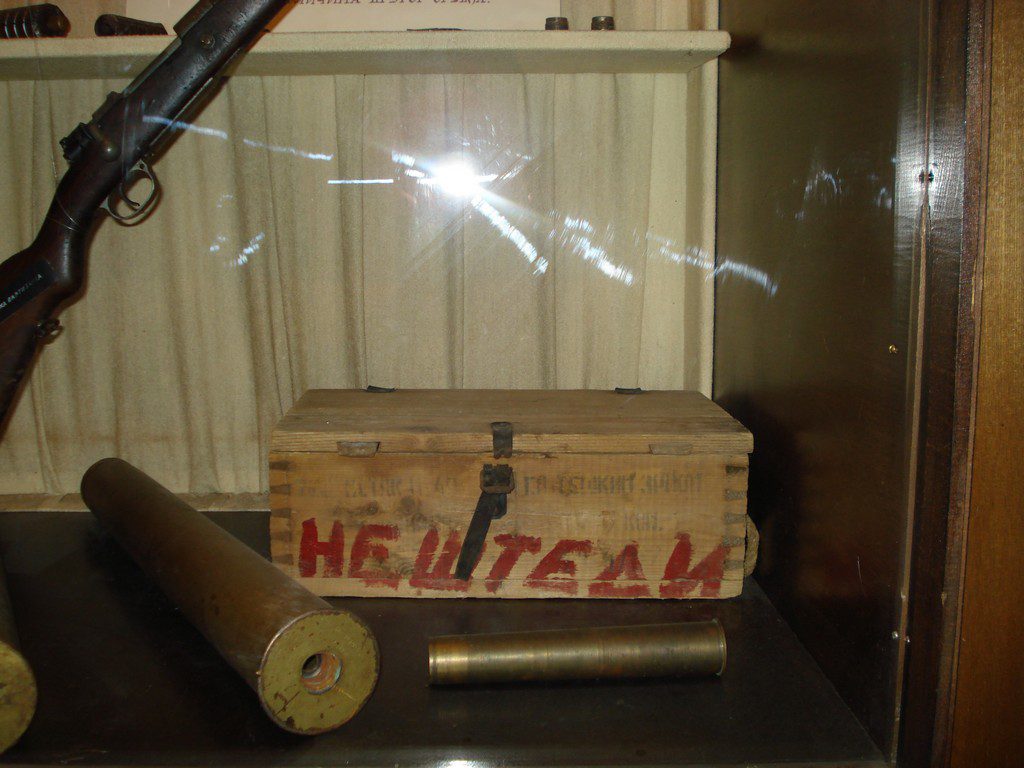
A significant place is occupied by the Užice Factory for Production of Arms and Ammunition, which was moved from Krčagovo and placed in various parts of the city and in the underground premises (vaults) of the National Bank due to the daily threat of bombing. It worked day and night and supplied “partisan” rifles and ammunition to Partisan and Chetnik units.
For the sake of safer traffic, the workers of Stokehold built the first armored partisan train.
On the territory of the Republic of Užice, railway traffic was organized and revived from Gornji Milanovac to Vardište, it was primarily used for war purposes (fighters were transported to the front), and at the same time it served for civilian purposes. For the sake of safer traffic, the workers of Stokehold built the first armored partisan train.
Given the war conditions, the free territory of the Republic of Užice became a refuge for refugees and exiles from Slovenia, Macedonia, Bosnia, Herzegovina and Vojvodina. They are provided with accommodation and other necessary living conditions. Kitchens for the homeless were established. The influx of the population and the evacuation of the wounded led to the organization of free health care in hospitals in liberated areas.
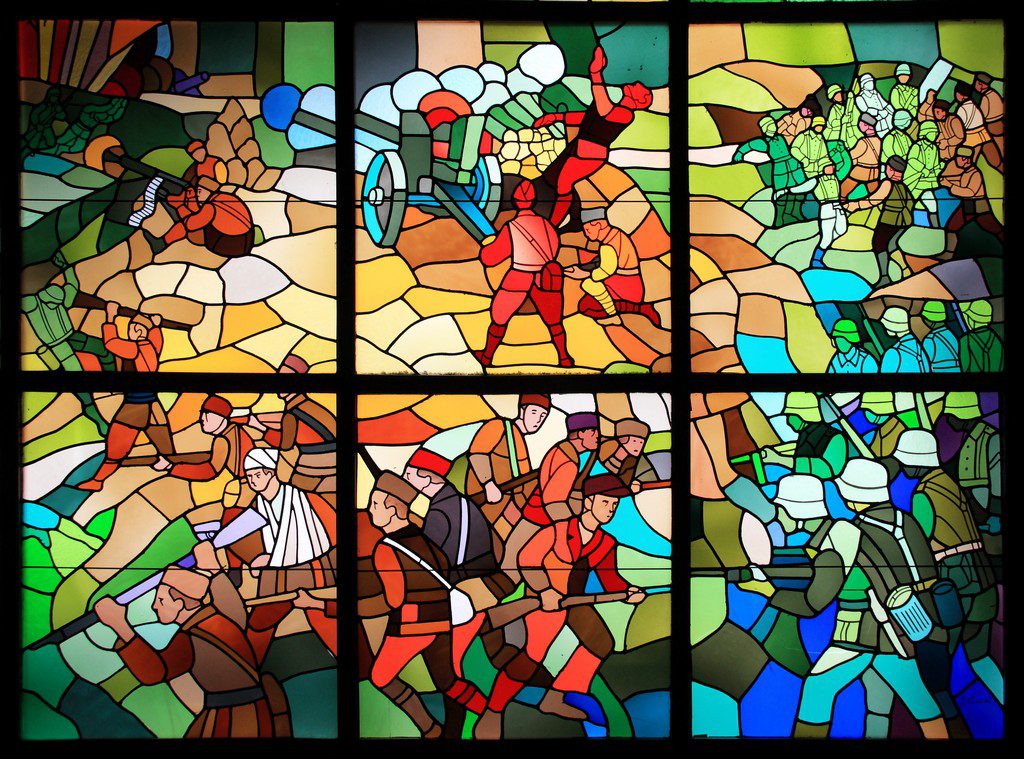
Among other things, the People’s Liberation Committees took care of supplying the population with food and other products. A cultural and artistic company operated under the Užice partisan detachment whose task was to organize the cultural life of the Republic. Occasional events, dances, painting exhibitions, etc. were organized in “Sokolana” gym. Citizens were notified and informed through propaganda posters, leaflets and other printed material. An important place is occupied by the newspapers “Borba (Fight)” and “Vesti (News)”, which were published during the period of the Republic of Užice.
Fall of the Užice Republic
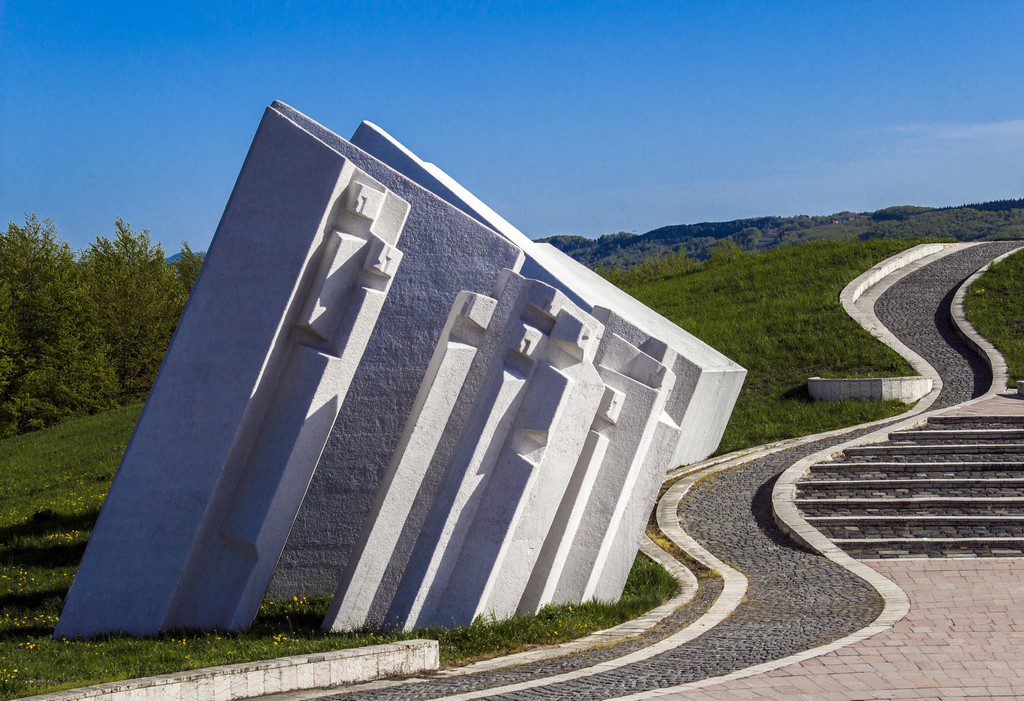
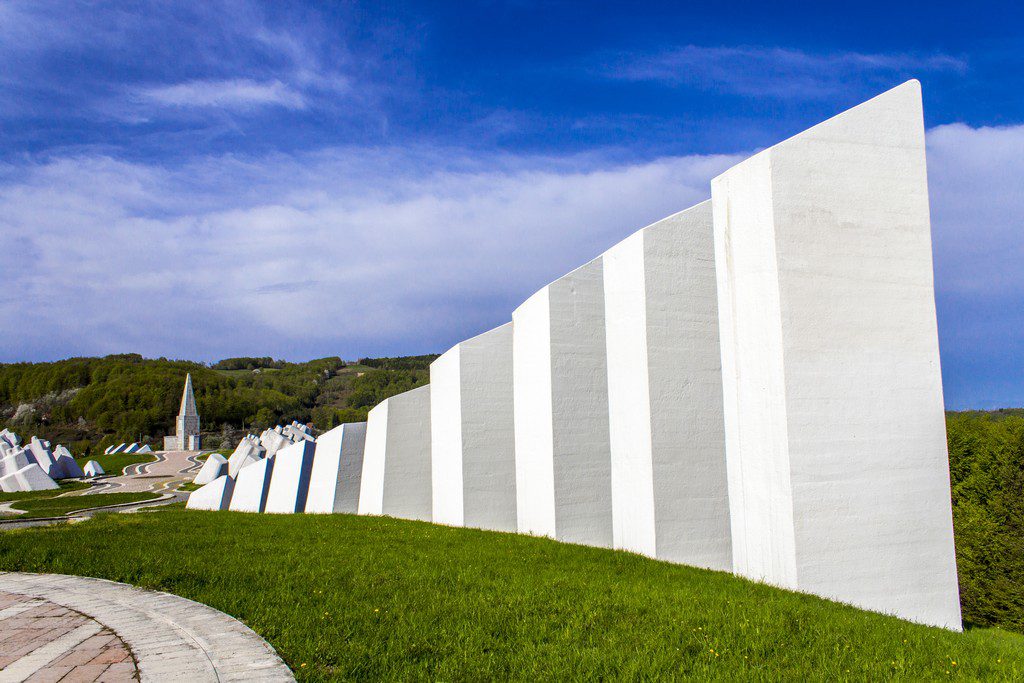
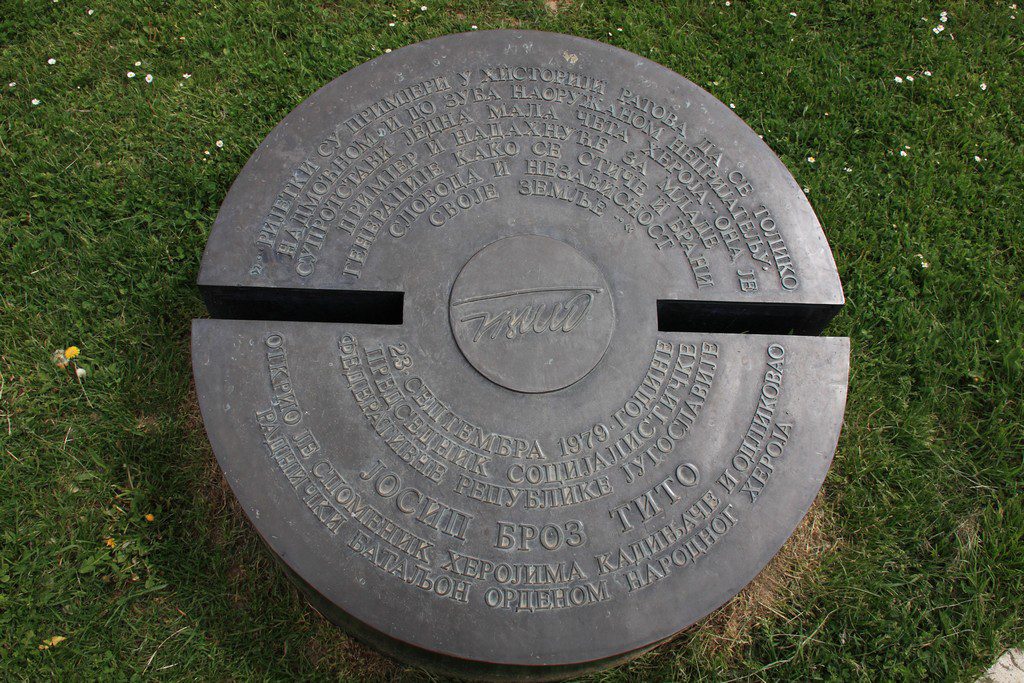
The Republic of Užice fell under the blows of a well-organized enemy offensive, and its end is marked by the “Spartan” resistance of the Užice Workers’ Battalion, which protected the retreat of the main units of the NOPOJ and the Supreme Headquarters. However, the valuable experiences of the Republic of Užice during the liberation war (1941-1945) were built into the foundations of a new state.