The Landscape of Outstanding Features „Đetinja Gorge“
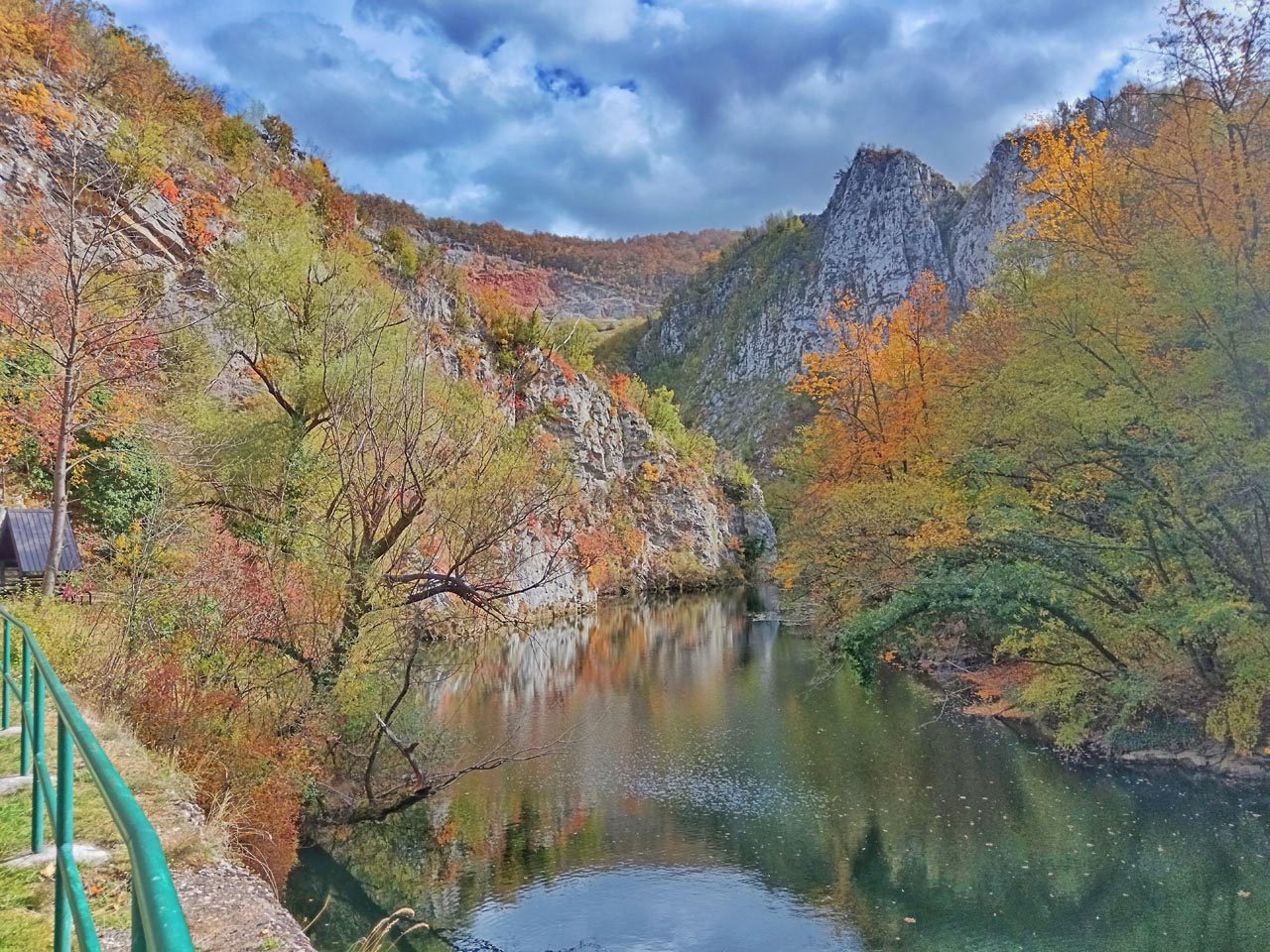
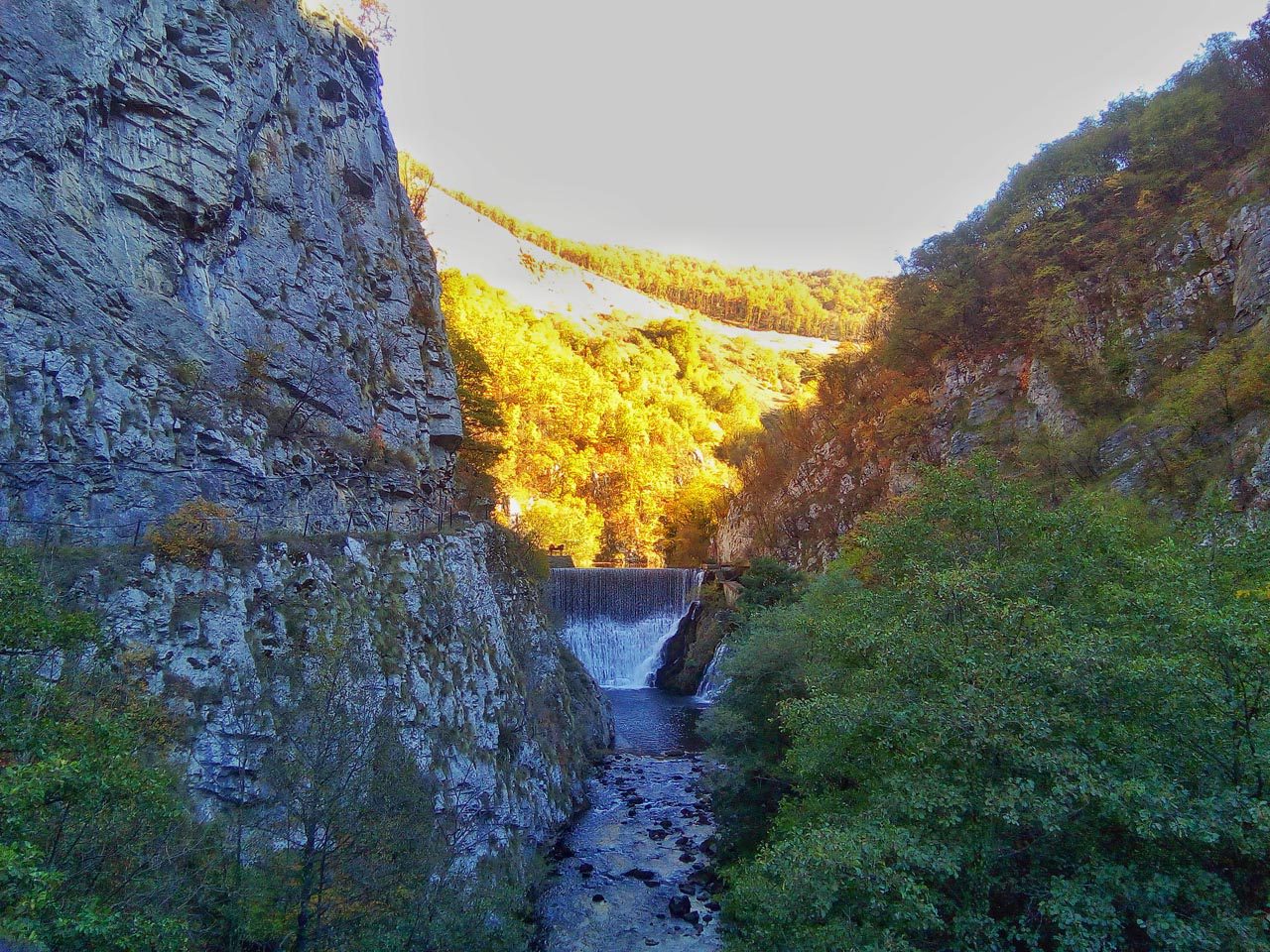
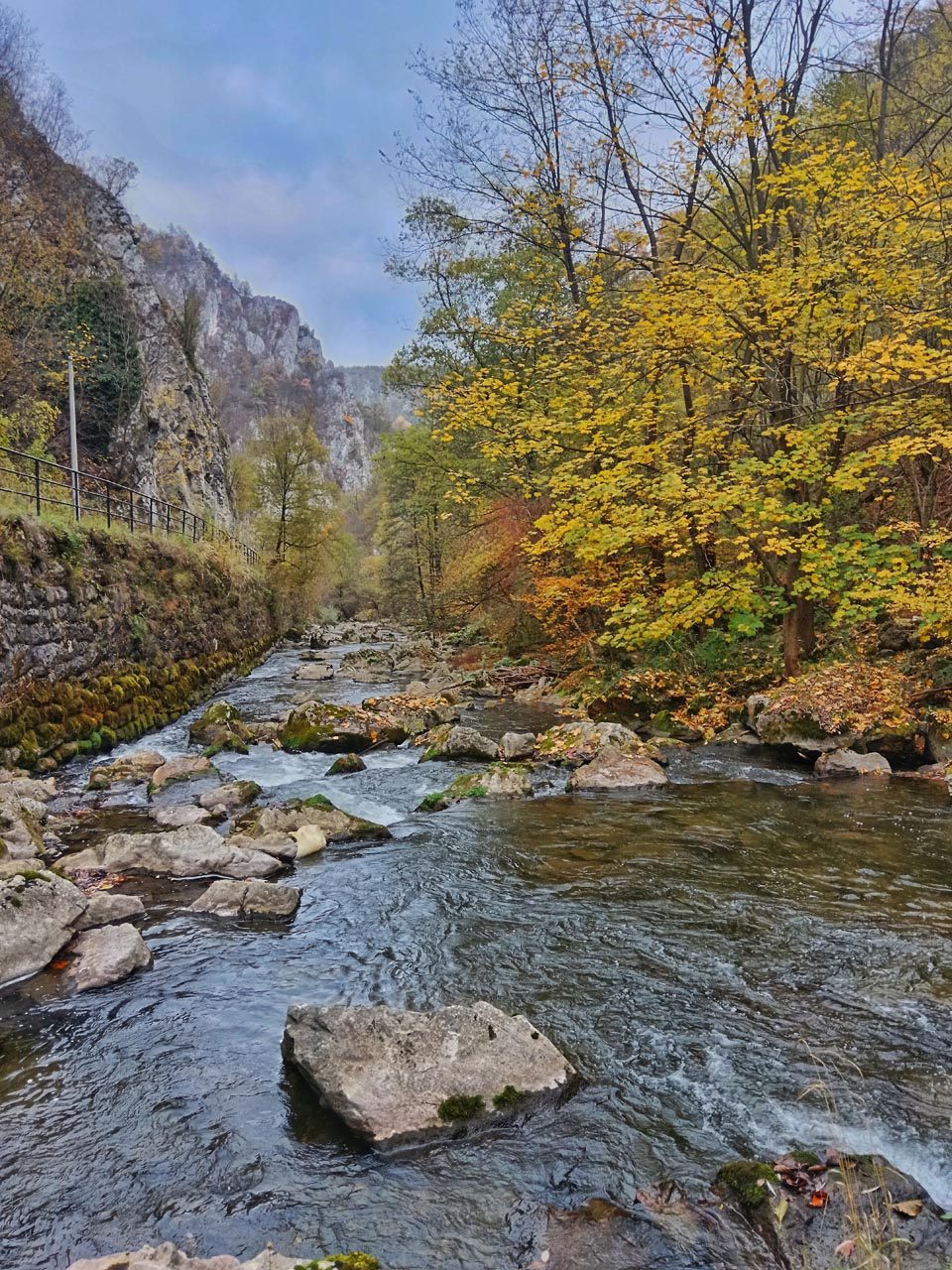
River Đetinja is the left tributary of Zapadna Morava. It starts in the northern part of Kreman valley, on the southwest slopes of Tara mountain out of four small rivers. In its central part it forms an attractive gorge.
The area of exquisite characteristics „Đetinja gorge“ represents the protected natural good of the III category (protected area of local significance), that includes the part of the gorge of Đetinja river in the immediate vicinity of the city of Užice with the sites under the regimes of II and III protection degree. Bigger part of the protected area belongs to the territory of the city of Užice, while the smaller part belongs to the municipality of Čajetina.
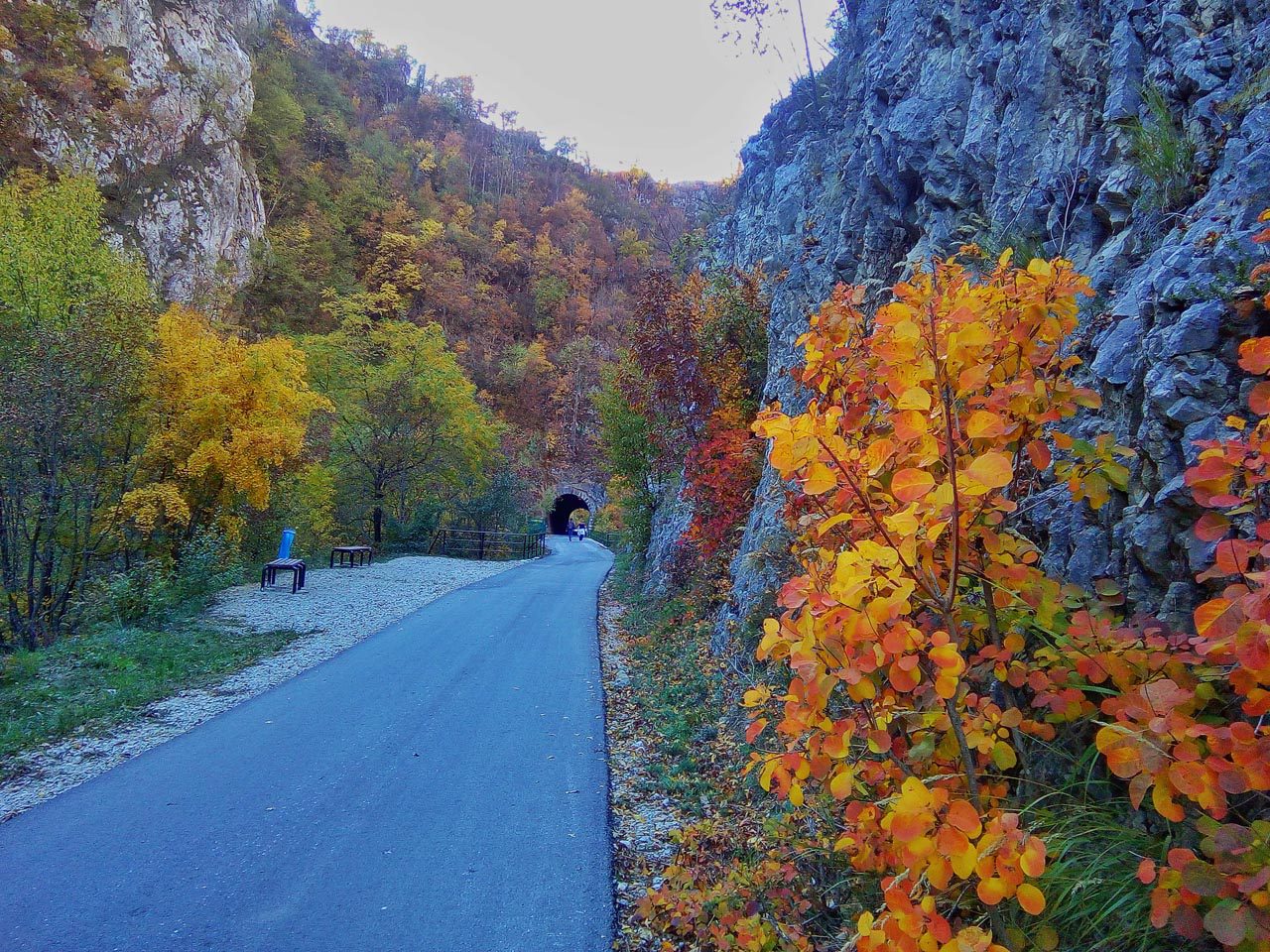
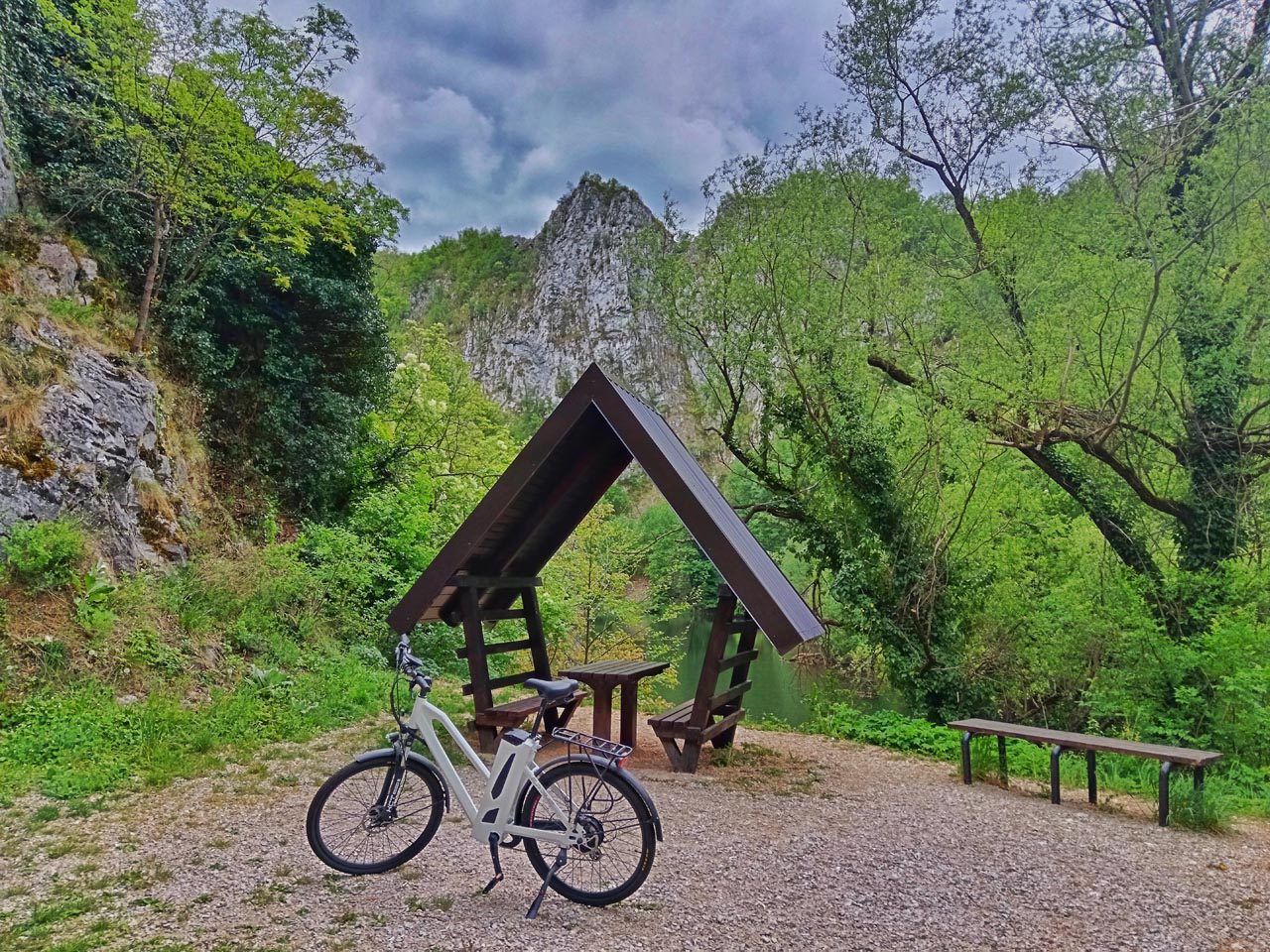
The gorge follows the flow of river Đetinja, along the former track of Ćira’s railway, nowadays known as „Green track“ which was declared by European association of green tracks as second most beautiful green track in Europe.
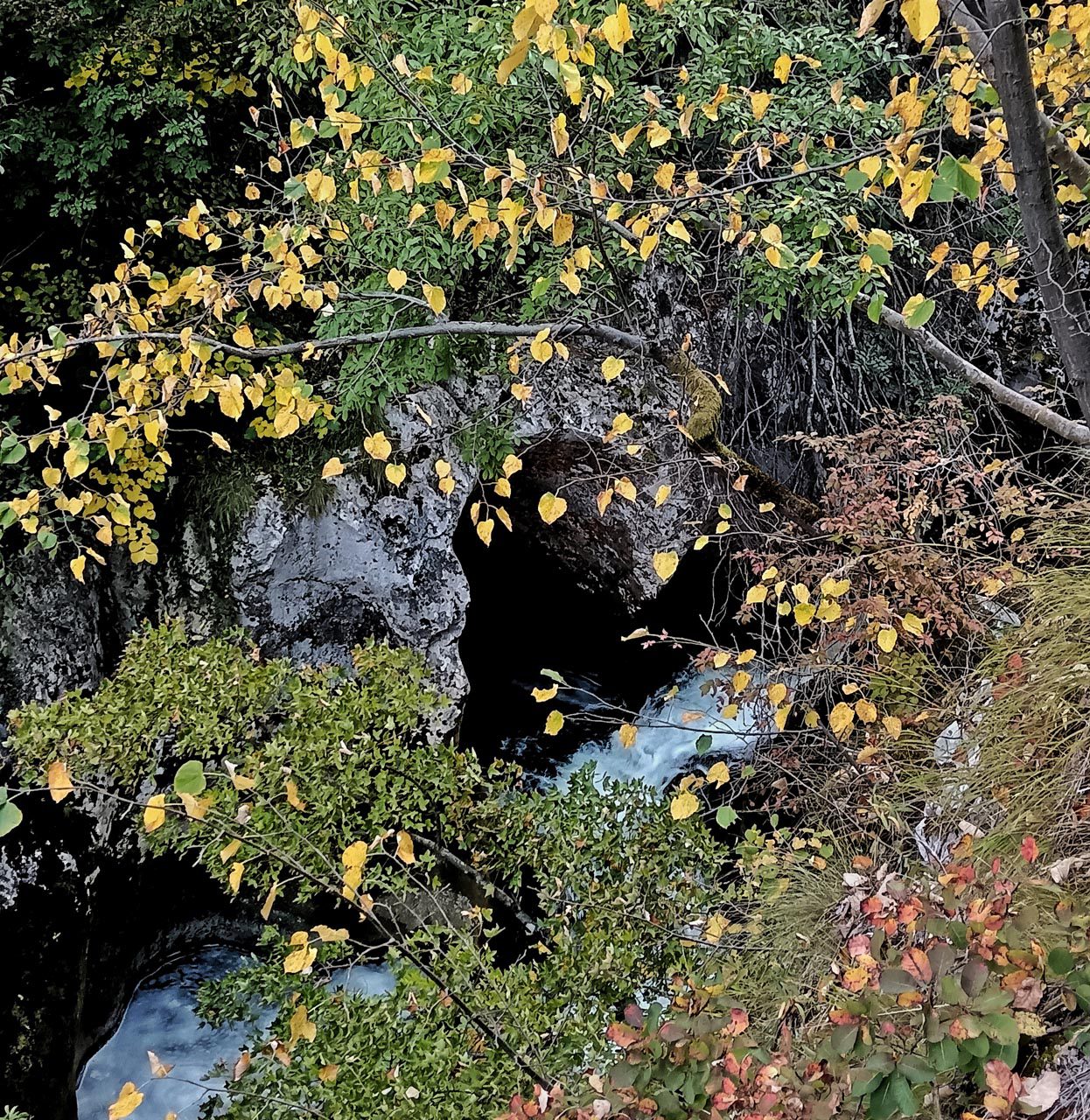
This space is filled with natural beauties, and at the same time it is a natural habitat of large number of rare and protected plant and animal species.
The gorge’s flora is characterized by a large number of endemic, sub-endemic and relict plant species. What particularly stands out is square stalked willow that was discovered by Josif Pančić by the end of 19th century.
Regarding animal world, the fauna of butterflies particularly stands out, as it represents one of the richest in Serbia.
Đetinja gorge is inhabited with 110 species of butterflies (out of total 192 species present in Serbia) out of which 17 species are on the list of Red book of butterflies of Serbia.
Gorge part of Đetinja represents a great potential for the development of salmonid types of fish: brown trout, brook barbell, Schneider, chub, gudgeon, huchen, grayling.
Sušica river represents the only natural spawning ground of brown trout, so in this part fishing is strictly forbidden.
In the wider area of the gorge a rich monumental heritage is also registered: well preserved settlement from the Neolithic period “Gradina”, which is one of the most significant settlements of this period in southwest Serbia, as well as the medieval city and necropolis at the site “Mala Gradina”.