
Uzice through history
Taking into account the material remains; the area of Užice was inhabited since pre-historical times. The findings of Neolithic period have been found in large number of localities (cave Megara in southern part of Stapari village, Potpecka Pecina in the village of Potpec). At the end of XII century Užice and its suburbs joined Nemanja’s Medieval Feudal State, which is proved by the charter from Studenica Monastery issued in the year of 1196. year
The first significant mentioning of Užice was found in the document from Dubrovnik Archive, dated 9th October 1329. year. Polovinom XIV veka širim područjem Užica upravljao je Vojislav Vojinović, a po njegovoj smrti, vlast je preuzeo Nikola Altomanović. Šireći svoju vlast i teritoriju ugrožavao je Dubrovnik, bosanskog bana Tvrtka i kneza Lazara. Udruženim snagama knez Lazar i bosanski ban Tvrtko su uhvatili Nikolu Altomanovića 1373. godine i oslepeli ga. Užički kraj od tada je u sastavu države kneza Lazara. Posle pada srpske despotovine osvojili su ga Turci. U XVI veku Užice je bilo središte nahije i kadiluka, a tokom XVII veka postao je značajno zanatsko i kulturno središte.
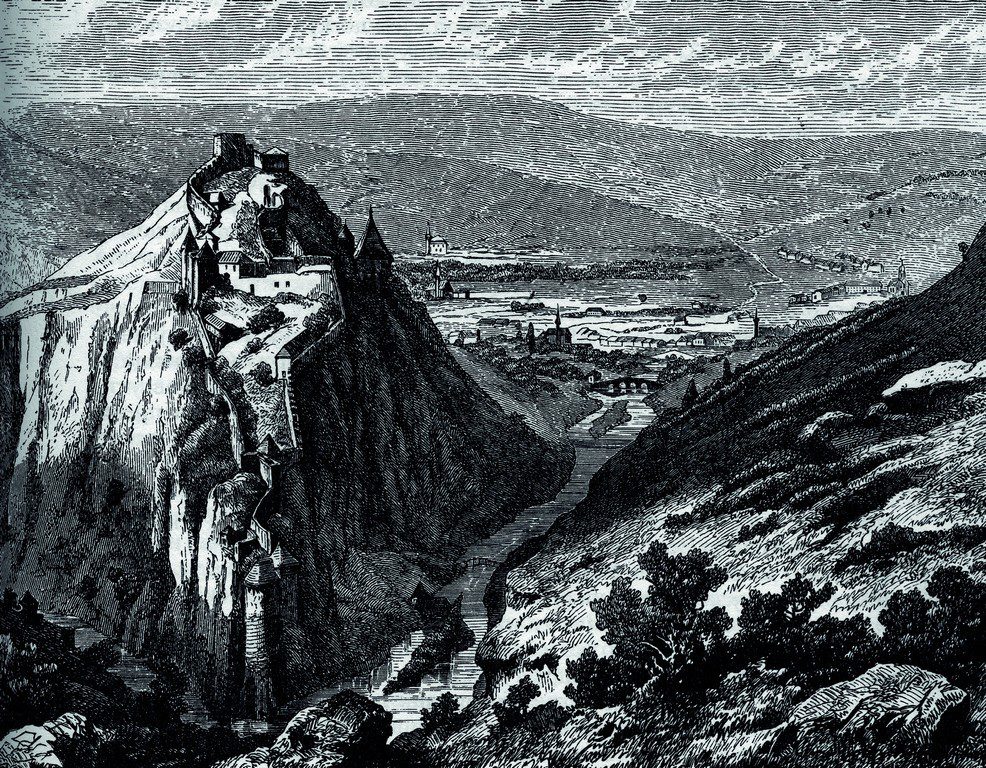
During Austro-Turkish Wars, by the end of XVII and XVIII centuries, the city has become an important military base, and during the times of The First Serbian Uprising the very important military and strategic place. Serbian uprisings liberated the city of Užice in 1805, and soon after that in 1807 the fort was liberated. Užice has become very important uprising center. After the defeat of The First Serbian Uprising in 1813, it fell into Turkish hands again. Užice was finally liberated in 1862.
According to the first preserved population statistics after the Turkish emigration, there were 3163 citizens in Užice. By approval of Urban Plan in 1871, its intensive development started. The town was economically empowered, the crafts and commerce flourished, the guilds were founded.
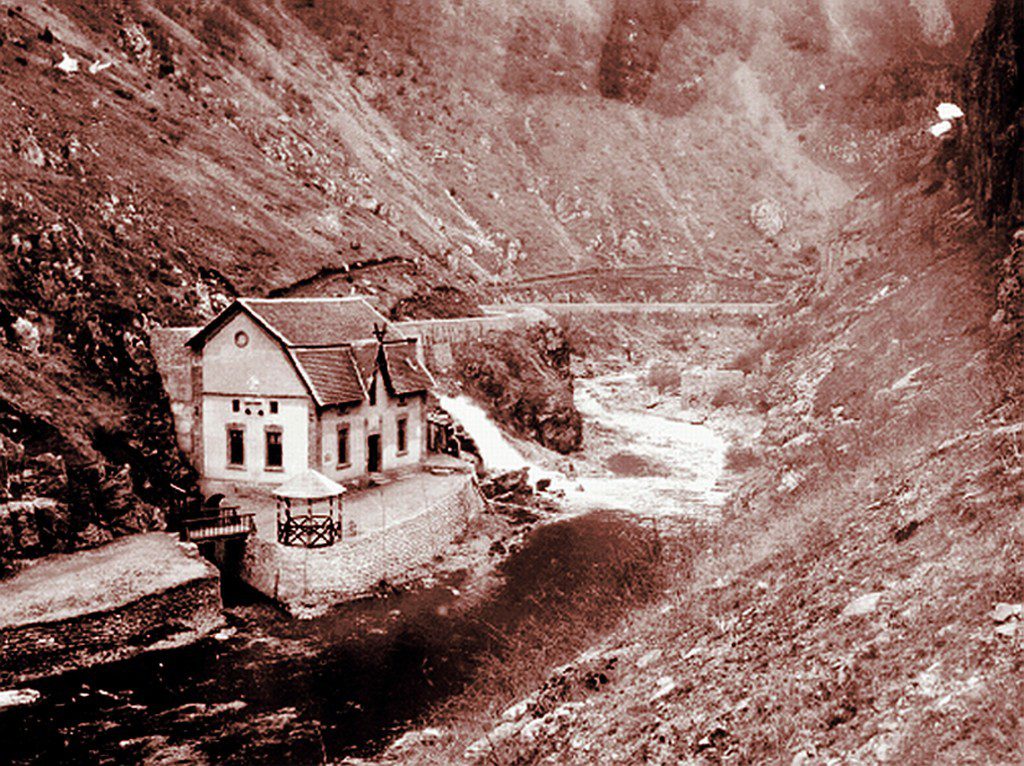
Aleksandar Obrenovic placed the first cornerstone for the water plant on Djetinja River.
On the 3rd of May in 1899, the King Aleksandar Obrenovic placed the first cornerstone for the water plant on Djetinja River. The city got electrification on 2nd of August 1900, and in May of 1901 the Wavering Workshop started with its experimental work. Developing industry and merchandise, made positive conditions for the foundation of the first banks: Citizen bank (1884), Commercial Bank (1908) and Cooperative Credit Bank of Užice (1911). Telegraph was installed in 1860, and the first telephone in 1904.
Patriotic, cultural and sport associations were founded by the end of XIX and the beginning of XX century: Home Reserve, Cavalry Association “Knez Mihailo”, Archery Club “Napredak”, Choral Group “Zlatiborska Vila”, Gym Club “Dušan Silni” and many others.
After the end of Balkan wars and the First World War, the industry and production were soon restored in Užice. The Industry for Hide Processing in Vrela was founded, railcars workshop, and finally, in the year 1928 the arms factory by Jakov Pošinger from Slovenia was moved to Užice (today it is “Prvi Partizan”-Ammunition Factory) The old banks were renewed, and some of the new were founded: Bank of Commerce, Market Bank of Užice and Užice Regional Bank. The railways and roads network developed: railways Užice – Vardište, road Užice – Kraljeve Vode on Zlatibor, road Užice – Kadinjaca – Bajna Bašta. During the period of the Second World War 1941-1945, Užice was the center of significant historical moments (Republic of Užice). After the Second World War, Užice slowly developed and has become a great commercial and cultural center of Western Serbia. There are Primary Schools, High Schools and Teacher’s College, National Theatre, National Museum, Historical Archives, City Gallery and National Library.